
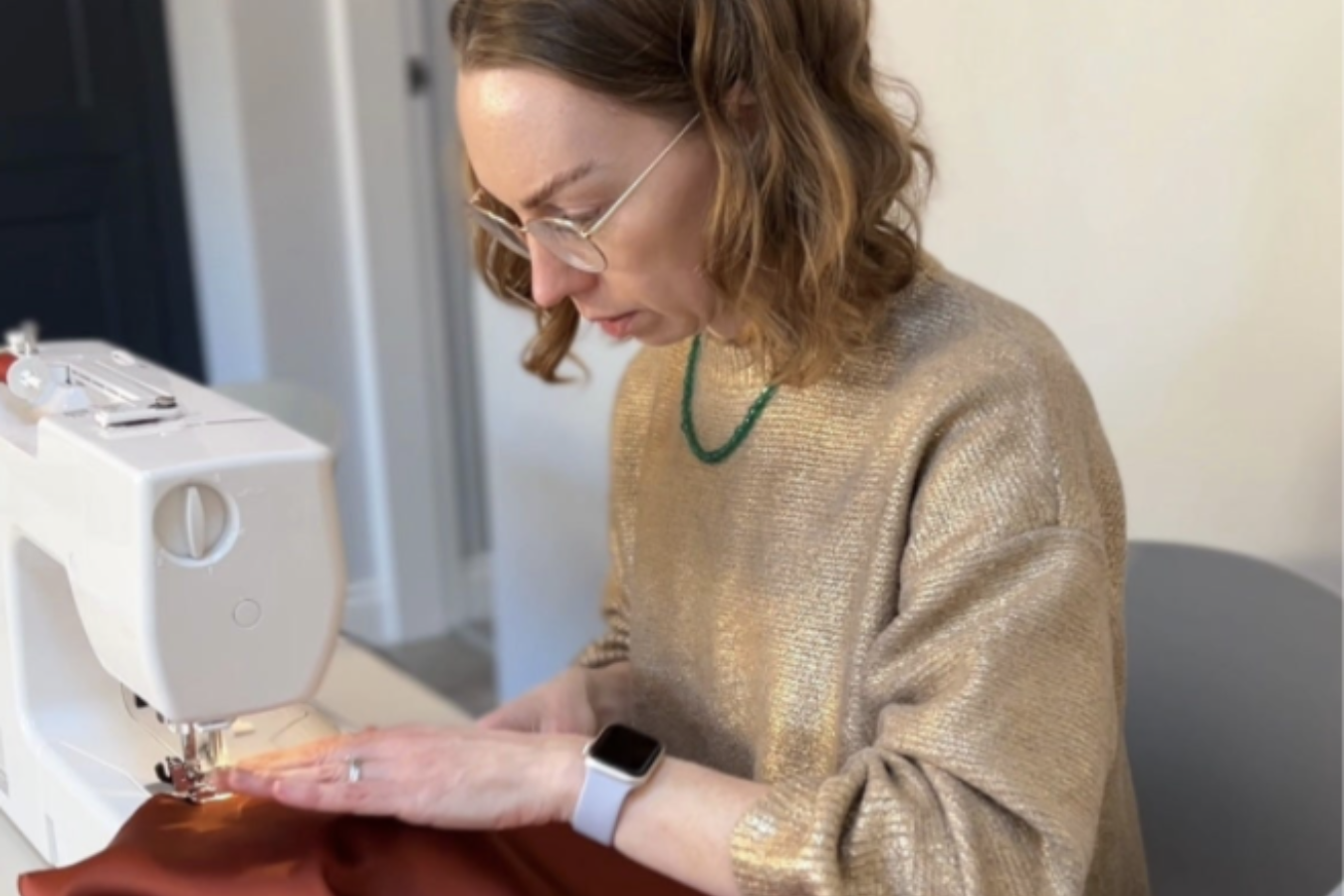
Neuroscientist, qualified GP and sewist, Dr Claire Ashley is a strong advocate for how beneficial crafting is for our brain health. Her Instagram and TikTok channels @WiredToMake explain what happens to your brain when you’re crafting and she has gone into more detail for us here.
I started sewing during one of the most difficult periods of my life, but I didn’t choose to start a creative hobby strategically – rather, it was a happy accident! The hobby that changed my life began simply because I happened to walk past a fabric shop on my way to an unrelated appointment.
But looking back, with everything I have since learned about the neuroscience and psychology of creative making, I understand now that my brain intuitively knew something that I didn’t yet know consciously.
The heavy lifting during this difficult time was done by the medical and psychological professionals who supported me through. But in starting a creative hobby, I had inadvertently self-prescribed an evidence-based mental health tool and given myself exactly what I needed to soothe my anxious brain and calm my stressed-out body.
The science behind creative activities, it turns out, is quite extraordinary. I would go so far as to argue that it is not a hobby nor a luxury. Rather, it is one of the most powerful things you can do for your brain, your mental health, your body and your long-term wellbeing.
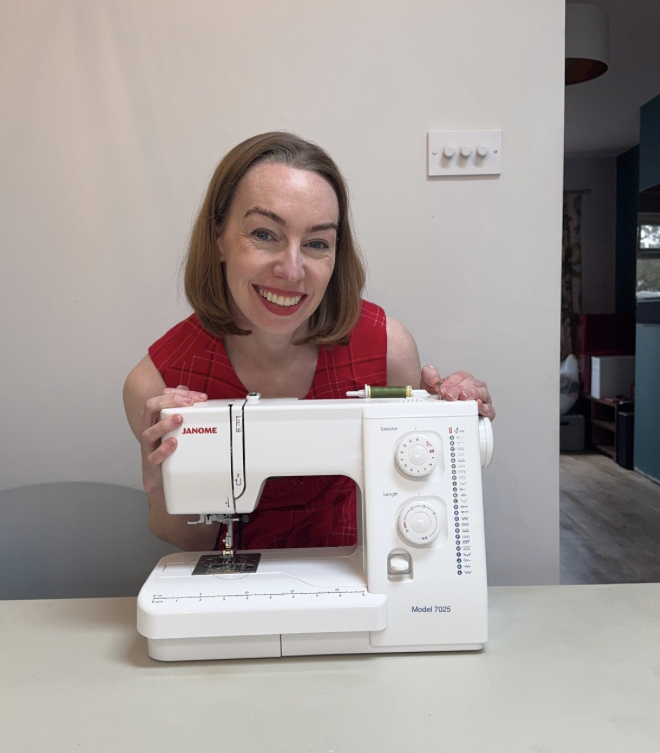
Why is crafting good for our mental wellbeing?
My story of how a creative hobby transformed my wellbeing is not unique. Adults that participate in arts and crafts report greater happiness and life satisfaction, and a stronger sense that the things they do in life are worthwhile (1).
A 2025 systematic review looked at 19 studies which included crafts such as pottery, knitting, embroidery, papercraft and woodwork. Every single study reported improvements in at least some of the mental health or wellbeing outcomes measured (2).
Research into needlecraft activities identifies those that participate as having a higher sense of purpose, achievement, satisfaction, identity and belonging (3).
But why is this the case?
There are a number of mechanisms by which crafting can boost mental wellbeing.
One reason is absorption. If you’ve ever become so engrossed in a project that you’ve completely lost track of time, then you have experienced something called flow state. Flow state is linked with positive emotion and greater wellbeing, with research suggesting that regularly experiencing it might be one of the ways that creative activities contribute to a satisfying life (4).
The next reason is that crafting provides opportunities for mastery and achievement. By doing a creative activity, you learn, solve problems, and see progress taking physical form. Psychologists call this self-efficacy, which is your belief in your ability to successfully handle tasks and challenges – and it’s directly linked to wellbeing (4).
If you choose to craft alongside others, then you can also get benefits. Social connection and a sense of belonging are crucial for good mental health, whereas loneliness and social isolation are linked to worse health.
Which craft is best?
There isn’t enough comparative evidence (yet) to say that any particular craft is more beneficial for your wellbeing or mental health. But this is great news – it means you can access the benefits of crafting through the one that you enjoy the most!
A repetitive activity, such as knitting, might appeal when you want something predictable and mindful. A more challenging project, such as sewing a garment or making a necklace, might offer opportunities for learning and deep focus. Scrapbooking provides opportunities for freedom and expression, and doing crafting with others additionally allows for social connection benefits.
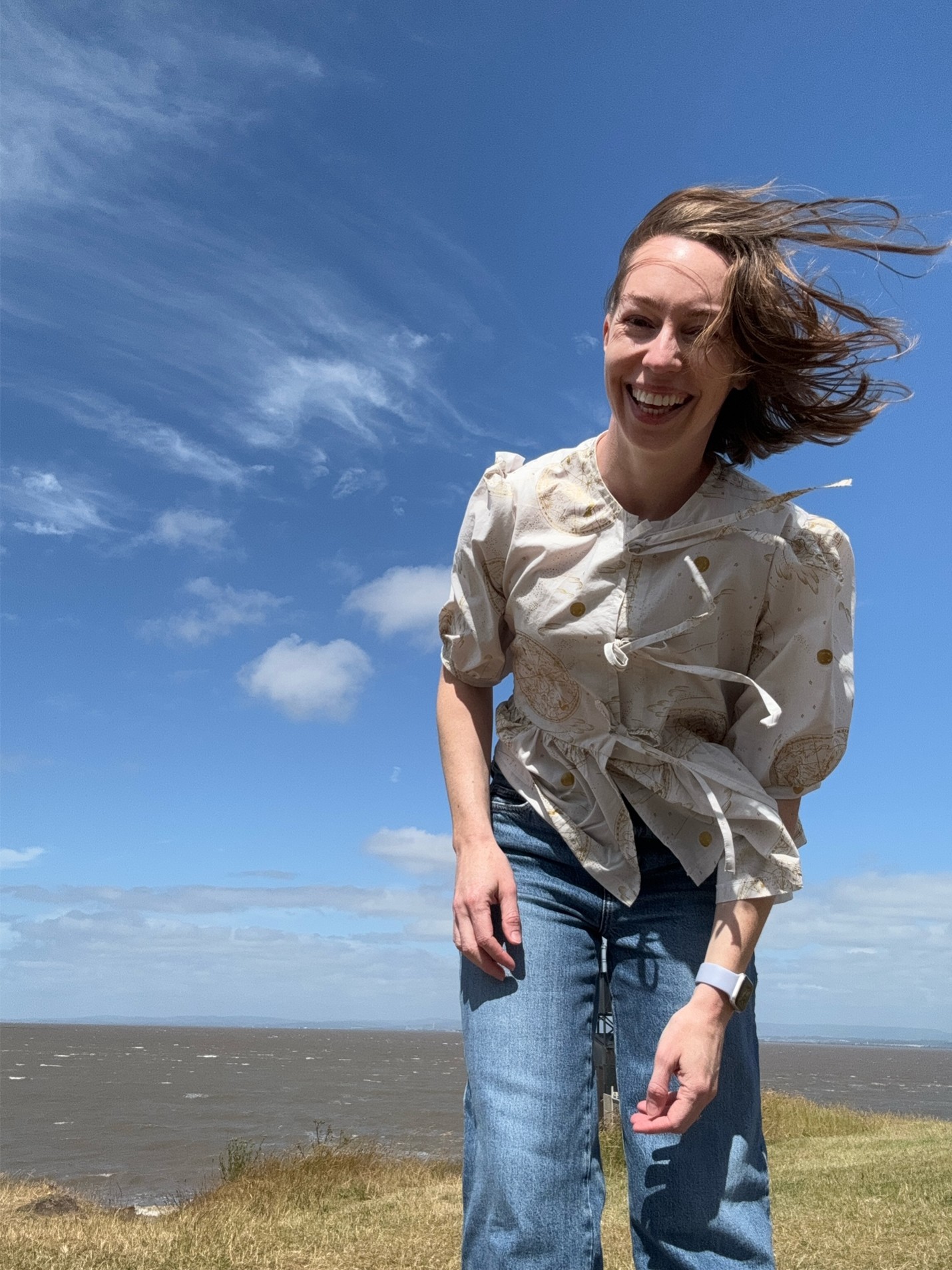
Me made top
What does crafting do to the brain and nervous system?
Even the simplest of crafts engage multiple areas of the brain simultaneously: visual attention, planning, sequencing, problem solving and memory.
Repetitive movements in particular have a regulating effect on the nervous system, so if you knit or crochet then you will likely have experienced this. The rhythmic and repetitive nature of these crafts make people more aware of the present moment, reducing mental chatter.
Learning new creative skills seems to matter as you age, too. In adults aged 60-90 that spent several months learning skills such as quilting and digital photography, those assigned to more cognitively demanding activities showed greater improvements in memory compared to those doing less demanding tasks (5).
Additionally, just 45 minutes of doing art reduces salivary cortisol levels and – importantly – it doesn’t matter how skilled or experienced you are at art, the effects are the same regardless (6).
So you don’t have to be “good” at art or crafts to get the benefits of making.
Could crafting help you to live a healthier, happier and longer life?
A landmark study tracked over 6,500 adults aged 50 and over for 14 years, tracking how often they engaged in creative and arts activities. The findings were mind blowing. Those that engaged frequently had a 31% lower risk of dying compared to those that never engaged. Importantly, this effect is still present even after accounting for socioeconomic factors and health behaviours (7).
Whilst this work is observational, and therefore cannot prove that creative/arts activities cause people to live longer, it sits alongside a growing body of work that links creative engagement to reduced loneliness and better cognitive function in later life.
And a study of 93,000 people across 16 countries aged 65+ found that having a hobby is associated with better mental health, higher life satisfaction and fewer depressive symptoms (8).
In fact, the evidence for the positive effects of creative activity and arts engagement is so strong that one researcher has called for arts engagement to be considered one of the pillars of health, alongside exercise, nutrition, nature and sleep.
Regardless of whether you agree with that statement, what’s clear is that not only does crafting give you immediate benefits in terms of stress reduction, a sense of control/autonomy, identity, mastery – it also looks to have considerable benefits for healthy longevity too.
A little note:
Whilst being creative is very much therapeutic, it is not therapy, and it is not a replacement for medical or psychological support if you are struggling with your mental or physical health. Please talk to your doctor if you are experiencing symptoms.
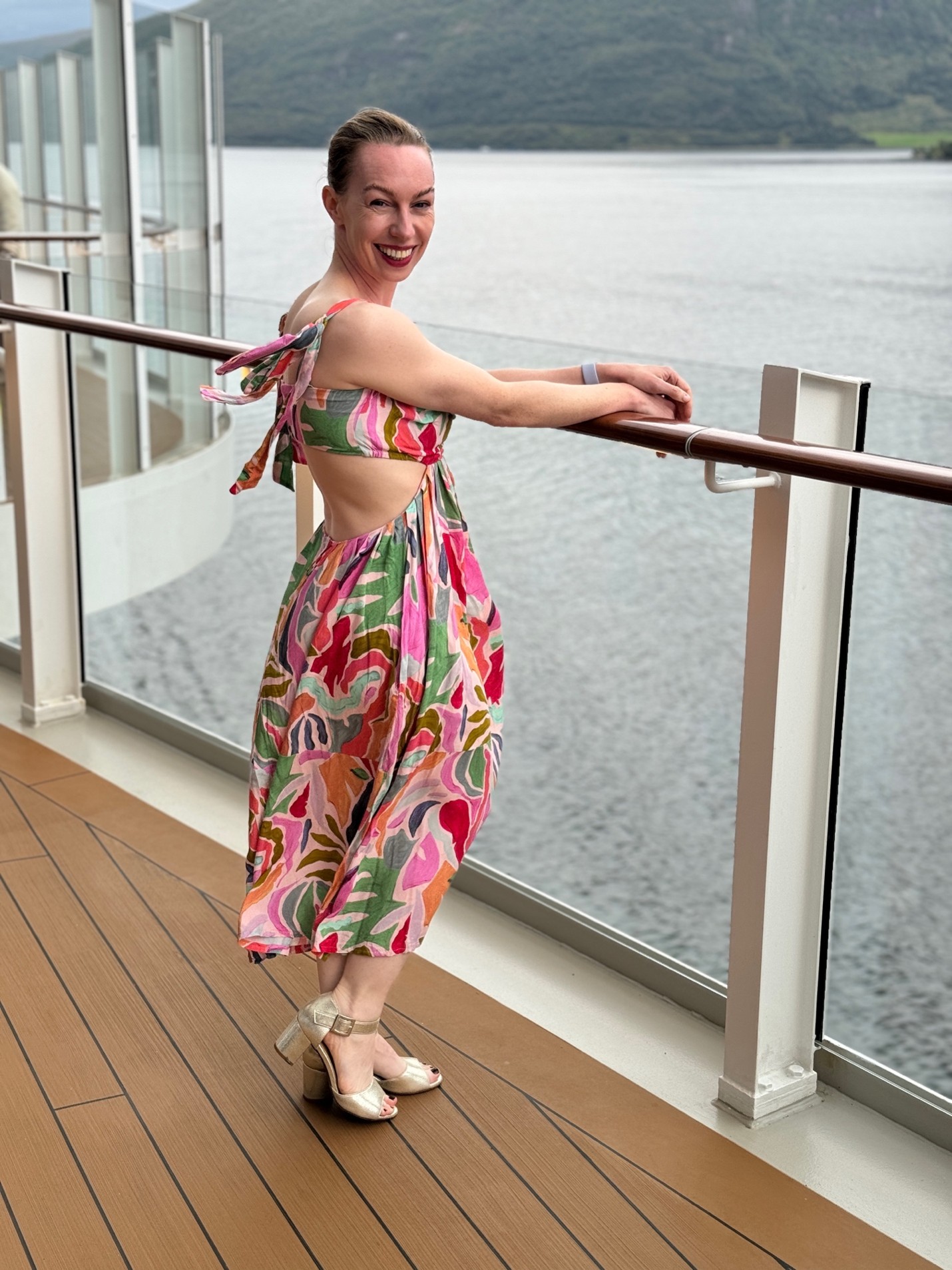
Me made dress
Simple crafting exercises to get started
It really doesn’t matter what type of craft you try, or even how “good” you are at it – you can still get the benefits! Here are some suggestions for simple crafting exercises, each chosen for what you want to feel at the moment.
If you want to get completely absorbed: Try a beginner embroidery, knitting or jewellery making projects that feel challenging enough to be interesting, but still achievable.
If you want something low pressure: Try simple beading, hand stitching, or a papercraft with repetitive steps.
If you need a confidence boost: Pick a small project you can finish in a single sitting – perhaps a bracelet, card or simple sewn item.
If you want creative freedom: Try collage, scrapbooking or junk journaling. Experiment without deciding what the finished piece needs to look like.
If you are craving connection: Try a beginner class, friendly craft group, or invite someone to make something alongside you.
Start crafting your happy place today!
References:
- Keyes H, Gradidge S, Forwood SE, Gibson N, Harvey A, Kis E, Mutsatsa K, Ownsworth R, Roeloffs S and Zawisza M (2024) Creating arts and crafting positively predicts subjective wellbeing. Front. Public Health 12:1417997. doi: 10.3389/fpubh.2024.1417997\
- Bukhave EB, Creek J, Linstad AK, Frandsen TF. The effects of crafts-based interventions on mental health and well-being: A systematic review. Aust Occup Ther J. 2025 Feb;72(1):e70001. doi: 10.1111/1440-1630.70001. PMID: 39956657; PMCID: PMC11830576.
- Le Lagadec D, Kornhaber R, Johnston-Devin C, Cleary M. Healing Stitches: A Scoping Review on the Impact of Needlecraft on Mental Health and Well-Being. Issues Ment Health Nurs. 2024 Oct;45(10):1097-1110. doi: 10.1080/01612840.2024.2364228. Epub 2024 Jul 15. PMID: 39008815.
- Fancourt, D., Stringaris, A. & Sacco, P.L. Mechanisms underpinning the mental health impact of arts engagement. Nat Rev Psychol 5, 290–302 (2026). https://doi.org/10.1038/s44159-026-00545-2
- Park DC, Lodi-Smith J, Drew L, Haber S, Hebrank A, Bischof GN, Aamodt W. The impact of sustained engagement on cognitive function in older adults: the Synapse Project. Psychol Sci. 2014 Jan;25(1):103-12. doi: 10.1177/0956797613499592. Epub 2013 Nov 8. PMID: 24214244; PMCID: PMC4154531.
- Kaimal G, Ray K, Muniz J. Reduction of Cortisol Levels and Participants’ Responses Following Art Making. Art Ther (Alex). 2016 Apr 2;33(2):74-80. doi: 10.1080/07421656.2016.1166832. Epub 2016 May 23. PMID: 27695158; PMCID: PMC5004743.
- Fancourt D, Steptoe A. The art of life and death: 14 year follow-up analyses of associations between arts engagement and mortality in the English Longitudinal Study of Ageing BMJ 2019; 367 :l6377 doi:10.1136/bmj.l6377
- Mak, H.W., Noguchi, T., Bone, J.K. et al. Hobby engagement and mental wellbeing among people aged 65 years and older in 16 countries. Nat Med 29, 2233–2240 (2023). https://doi.org/10.1038/s41591-023-02506-1