
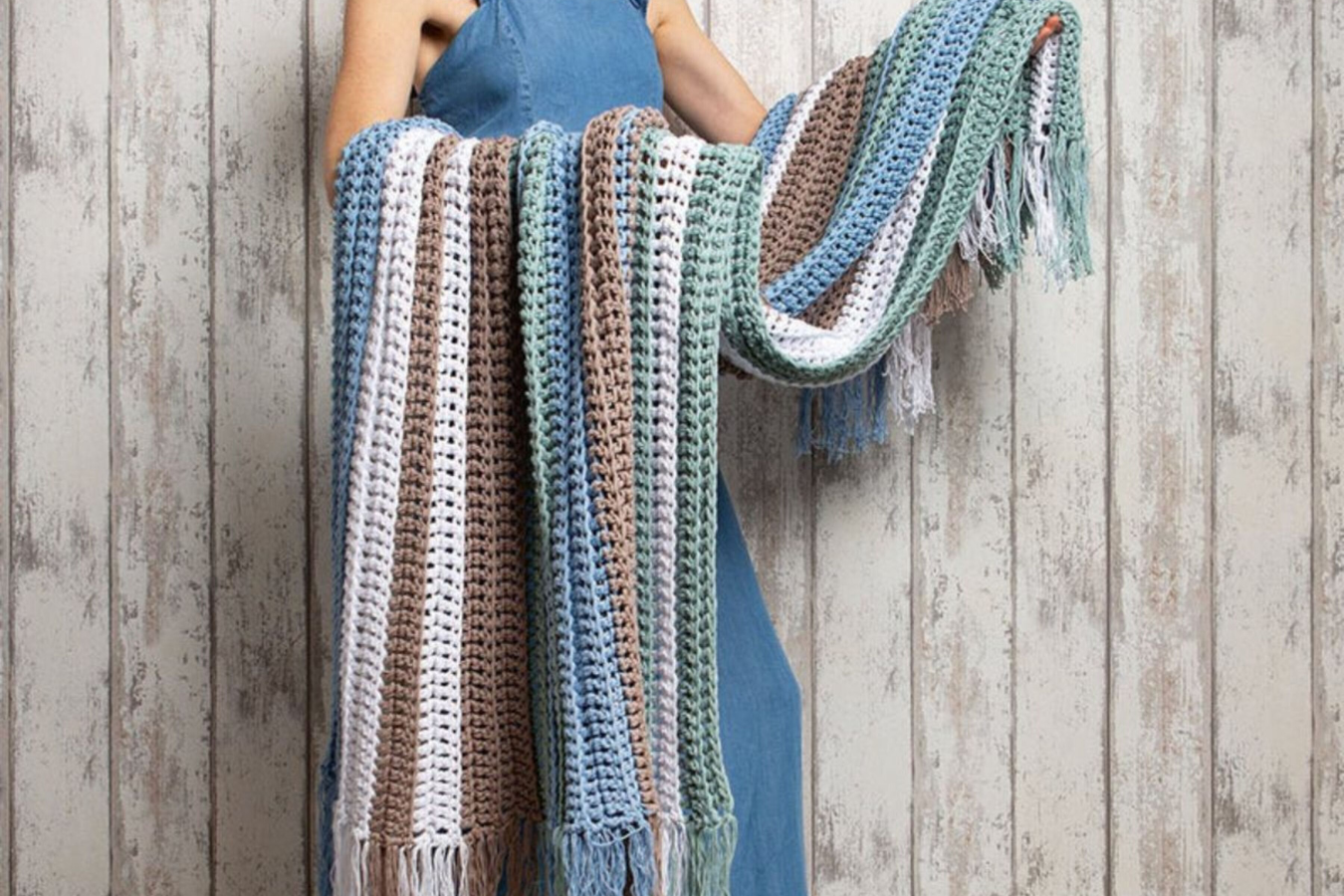
There is something incredibly meditative about the rhythm of a crochet hook moving through soft yarn. Whether you want to make chunky blankets, adorable amigurumi toys, or stylish summer tops, crochet is one of the most versatile and rewarding crafts you can pick up.
If you’re sitting there with a hook in one hand and a ball of yarn in the other feeling a bit lost, don’t worry! We’ve all been there. In this beginner’s guide, we’re breaking down exactly what you need to get started, from the “must-have” kit to the first four stitches you should master.
1. Choosing Your First Yarn: Think Simple
When you walk into a craft shop, the wall of yarn can be overwhelming. For your very first project, ignore the “funky” textures like mohair or eyelash yarn. They look lovely, but it’s nearly impossible to see your stitches in them!
The Golden Rule for Beginners: Start with a Double Knitting (DK) cotton or acrylic blend in a light, solid colour (like cream, soft blue, or yellow). Light colours make it much easier to see exactly where your hook needs to go.
2. Essential Crochet Supplies List
You don’t need a massive investment to start. Here is your “starter pack” for success:
- The Crochet Hook: For beginners, a 4mm or 5mm hook is the “Goldilocks” size -not too small, not too large. Look for ergonomic hooks with rubberised handles; your hands will thank you later!
- A Sharp Pair of Scissors: You’ll be doing a lot of snipping.
- Stitch Markers: These are life-savers. They mark the beginning of your rounds so you don’t end up with a wonky, triangular scarf by accident.
- A Tapestry Needle: This is a blunt needle with a large eye used for weaving in your “tails” (the loose ends of yarn) when you finish.
3. Mastering the Basic Stitches (UK Terms)
Most complex patterns are just combinations of a few foundation moves. Note: This guide uses UK terminology. (In the UK, we don’t have a “single crochet” – our basic stitch is called a double crochet!)
- The Slip Knot & Chain (ch): This is how you get the yarn onto the hook and create your foundation row.
- Double Crochet (dc): The bread and butter of UK crochet. It’s tight, sturdy, and perfect for dishcloths or toys.
- Half Treble Crochet (htr): The “cool middle child” – it’s faster than a double crochet and has a beautiful ribbed texture.
- Treble Crochet (tr): A taller, more “open” stitch. This is what you’ll use for those classic “Granny Squares.”
Top Tip: Always check if your pattern is written in UK or US terms before you start. A “UK Treble” is a “US Double” – getting them mixed up is the most common reason a project goes wrong!
4. Where to Find Help (Because We All Get Stuck!)
Crochet is a visual skill. If a written pattern feels like code, try these resources:
- YouTube: Search for “Slow motion crochet for beginners UK terms.” Seeing the hand movements in real-time is a game-changer. We have some beginner tutorials on the Sewing Street Tutorials YouTube channel.
- Local Crochet Groups: Check your local library or community centre. “Stitch and Bitch” groups are a fantastic way to pick up tips from “pros” over a cup of tea.
- Books: Sometimes having a physical book open next to you is easier than squinting at a phone screen.
Pro Tip: Start Small and Stay Patient
Don’t try to make a king-sized bedspread as your first project. You’ll get bored or frustrated. Instead, try a potholder or a simple scarf. They are quick, satisfying, and let you practice keeping your edges straight.
Your first few rows might look a bit “rustic” (that’s the polite way to say messy!), but that’s part of the charm. Keep at it, and before you know it, you’ll be gifting handmade treasures to everyone you know.
Happy hooking!